Taman Bidara
14000 Bukit Mertajam, Pulau Pinang, Malaysia
14000 Bukit Mertajam, Pulau Pinang, Malaysia
| Road | Price | PSF | Size | Date | Type |
|---|
|
Jalan Bidara 1
|
RM480,000
|
RM203
|
2,368 sqft
|
|
|
Jalan Bidara 1
|
RM560,000
|
RM227
|
2,465 sqft
|
|
Posts about Taman Bidara
No posts about Taman Bidara yet. Be the first to share what’s happening here.
Nearby areas in 16
Bandar Macang Bubok
Taman Machang Bubok
Taman Bidara
Taman Jambu
Taman Macang Manis
Taman Jadi Indah
Garden Terraces @ Taman Machang Bubok
Kpg Baru Macang Bubok
Pecahan Lot 2067
PSF median price per sq ft · 12m its change over the past 12 months
Most-traded areas in this mukim, by number of recorded subsale transactions. See every area in 16
Market Snapshot
ResidentialRM520,000
RM215 psfMedian transaction price
Does TAMAN BIDARA rent out well?
Gross yield, median rent and sale psf — worked out from transacted prices and asking rents.
See the yield with PlusRM59 a month, cancel any time
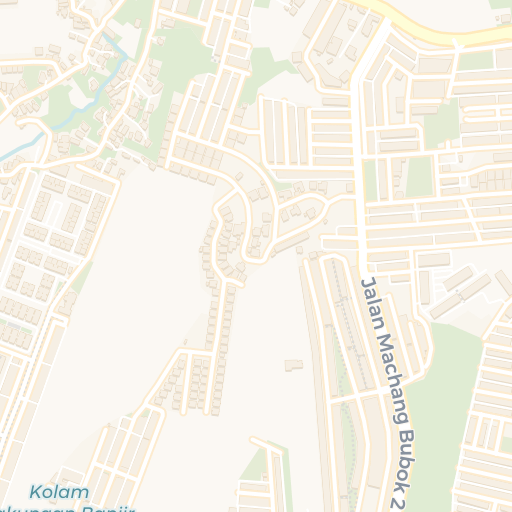
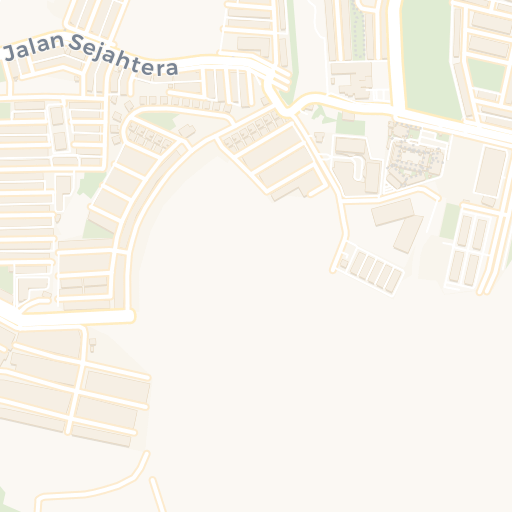
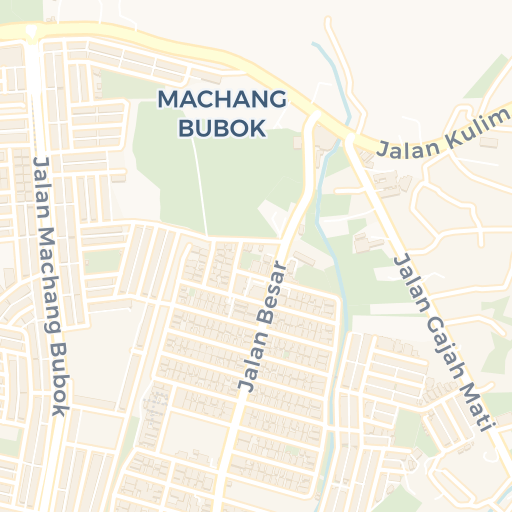
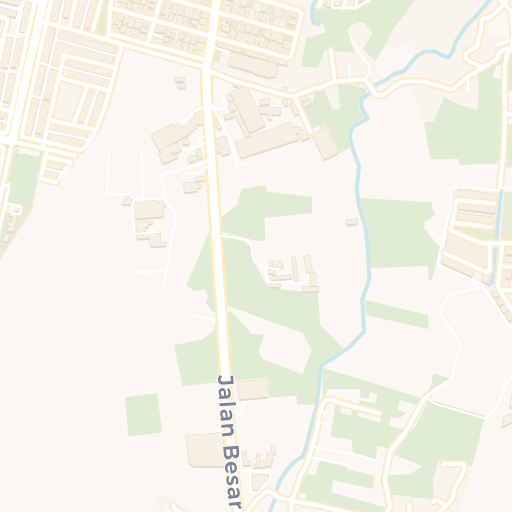

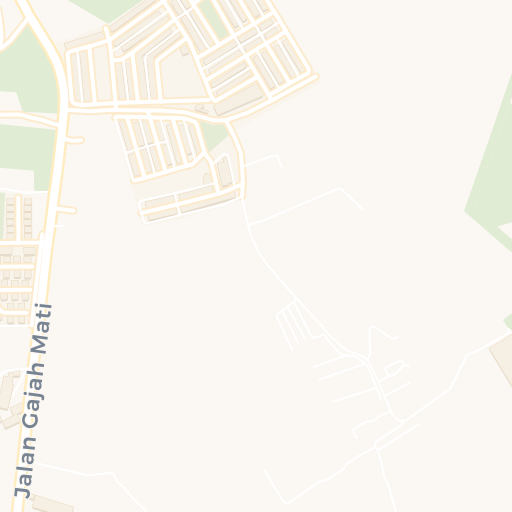
Taman Bidara, 14000 Bukit Mertajam, Pulau Pinang, Malaysia
MapsTaman Bidara in Seberang Perai Tengah, Penang recorded 2 Double Storey Semi-D properties subsale transactions between 2021 and 2026, with a median price of RM520K and a median price per square foot (PSF) of RM215.
This area consists exclusively of residential properties, with no commercial listings recorded.
Price remained flat, and PSF growth was PSF remained flat. The median price is RM520K, with most transactions falling within a stable range of RM480K to RM560K, and a typical market range of RM480K to RM560K.
Within the Double Storey Semi-D category, 2 - 2 1/2 storey terraced dominated the market, with moderate diversity in property types available.
For price per square foot, the median is RM215, with most transactions between RM203 and RM227. The usual range is RM154.44 to RM275.44, showing that most units are priced quite close to each other. With an IQR of RM121.00 and MAD of RM12, the PSF demonstrates reasonable consistency across the market.
Overall, the market in this area appears stable with consistent appreciation, making it an attractive option for both investors and homebuyers. Moderate price stability provides a balanced market for both buyers and sellers. Limited transaction history suggests carefully evaluating comparable sales data.