| Road | Price | PSF | Size | Date | Type |
|---|
|
Jalan Asean
|
RM312,000
|
RM203
|
1,539 sqft
|
|
|
Jalan Asean 14B
|
RM400,000
|
RM143
|
2,788 sqft
|
|
|
Jalan Asean
|
RM517,000
|
RM143
|
3,617 sqft
|
|
|
Jalan Asean 14B
|
RM450,000
|
RM120
|
3,746 sqft
|
|
Posts about Taman Asean
No posts about Taman Asean yet. Be the first to share what’s happening here.
Nearby areas in Balai Panjang
Taman Pokok Mangga
Taman Seri Mangga Sek. 1
Taman Padang Ria
Taman Asean
Taman Balai Panjang Murni
Taman Gadong Bahagia
Rum Pangsa Kampong Padang
Malim Business Park (Plaza Pandan Malim)
Taman Pandan Malim
Taman Pandan Jaya Seksyen 1( Fauzi Lim )
Taman Pandan Jaya Sek 1 (Hai Choon Dev)
Taman Mewah ( Taman Seri Mangga )
PSF median price per sq ft · 12m its change over the past 12 months
Most-traded areas in this mukim, by number of recorded subsale transactions. See every area in Balai Panjang
Market Snapshot
ResidentialRM425,000
RM143 psfMedian transaction price

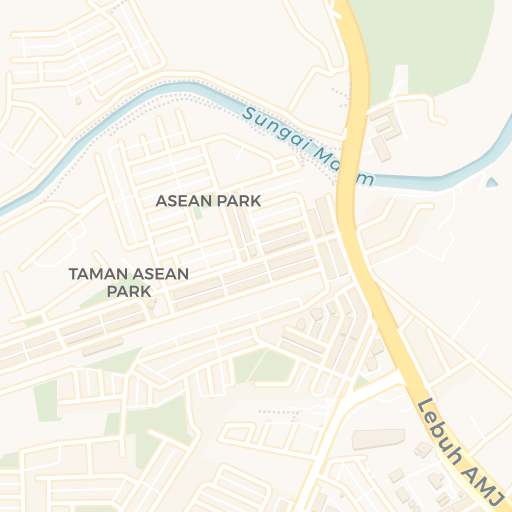

Taman ASEAN, Malacca, Malaysia
MapsTaman Asean in Melaka Tengah, Melaka recorded 4 Cluster House properties subsale transactions between 2021 and 2026, with a median price of RM425K and a median price per square foot (PSF) of RM143.
This area contains both residential and commercial properties. View 41 residential properties or 6 commercial properties separately for more focused analysis.
Price remained flat, and PSF growth was PSF remained flat. The median price is RM425K, with most transactions falling within a stable range of RM350K to RM500K, and a typical market range of RM339K to RM511K.
Within the Cluster House category, 2 - 2 1/2 storey terraced dominated the market, with high diversity across multiple property types.
Price per square foot shows a median of RM143, though individual units vary from RM113 to RM174 in the core range. The broader market spans RM93.96 to RM192.46, indicating diverse property characteristics. The spread of RM98.50 (IQR) and deviation of RM31 (MAD) suggest moderate price variations reflecting different property features.
While the area has shown positive growth trends, price variations suggest a more dynamic market. This presents opportunities for investors comfortable with moderate volatility. Some price volatility exists, making thorough market research essential before transacting. Limited transaction history suggests carefully evaluating comparable sales data.