| LIST.MY · Bukit Payong | |||||
|---|---|---|---|---|---|
|
Road
|
Price
|
PSF
|
Size
|
Date
|
Type
|
| 2025 | |||||
|
Padang Leban, Off Jalan K.trg/Bkt.payong (Lot 5290
|
RM320,000
|
RM118
|
2,723 sqft
|
|
Semi-D |
| 2024 | |||||
|
Off Jalan Mak Kemas(P/L2257)
|
RM340,000
|
RM126
|
2,691 sqft
|
|
Semi-D |
Posts about Bukit Payong
No posts about Bukit Payong yet. Be the first to share what’s happening here.
Auction Properties
1 auction properties in Bukit Payong
Nearby areas in Bukit Payung
Bukit Payong
Batu Payong
Undang
Mak Kemas
Taman Tapai Indah (Mr:26-04)
Taman Safiah Murni (Mr-1032) Batu Payong
Paya Resak
Padang Mengkuang
Wakaf Tapai
Gondang
Telaga Mengkudu
P/L 6535 No SP (Mr/24-08)
PSF median price per sq ft · 12m its change over the past 12 months
Most-traded areas in this mukim, by number of recorded subsale transactions. See every area in Bukit Payung
Market Snapshot
ResidentialRM330,000
RM122 psfMedian transaction price
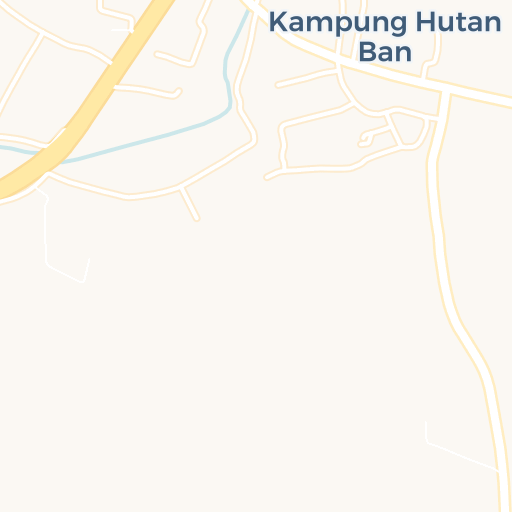


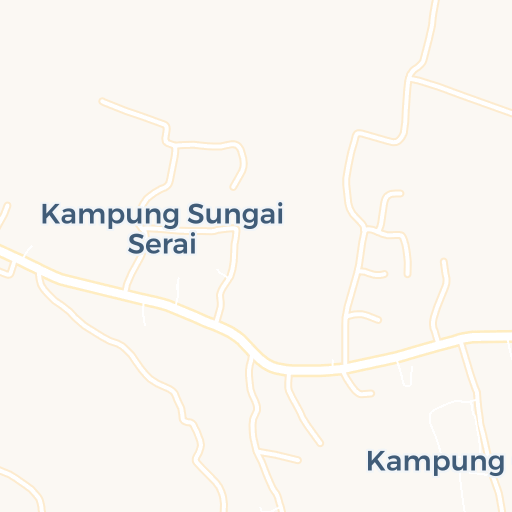

Bukit Payung, Terengganu, Malaysia
MapsBukit Payong in Marang, Terengganu recorded 2 subsale transactions between 2021 and 2026, sized between 2,675 and 2,724 sqft, with a median price of RM330K and a median price per square foot (PSF) of RM122.
This area consists exclusively of residential properties, with no commercial listings recorded.
Price remained flat, and PSF growth was PSF remained flat. The median price is RM330K, with most transactions falling within a stable range of RM320K to RM340K, and a typical market range of RM320K to RM340K.
Most transactions involved 1 - 1 1/2 storey semi-detached, though some variety exists in the market.
For price per square foot, the median is RM122, with most transactions between RM118 and RM126. The usual range is RM107.30 to RM137.05, showing that most units are priced quite close to each other. A typical spread (IQR) of RM29.75 and an average deviation (MAD) of RM4 indicate a highly stable PSF trend across properties.
Overall, the market in this area appears stable with consistent appreciation, making it an attractive option for both investors and homebuyers. The consistent property type and stable pricing make it easier to assess value and compare trends. Limited transaction history suggests carefully evaluating comparable sales data.